Deadline: March 30, 2026
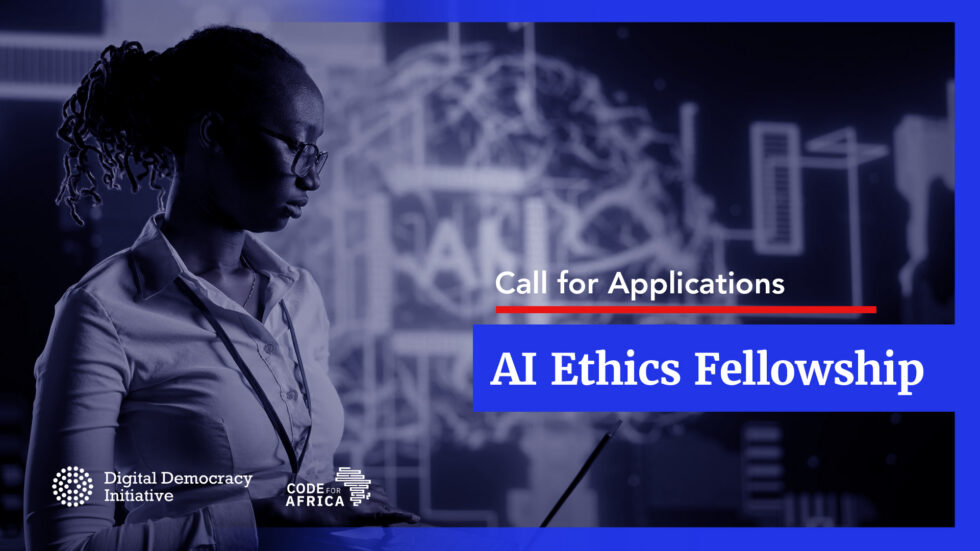
The rapid development of artificial intelligence (AI) technologies has created both opportunities and challenges across Africa. While AI has the potential to transform industries, improve governance, and foster economic growth, it also raises pressing ethical and societal concerns. In response to these challenges, the AI Ethics Fellowship 2026 has been launched to equip mid-career professionals with the knowledge, skills, and networks necessary to drive responsible AI adoption in Africa.
This fellowship is designed for professionals interested in shaping the ethical landscape of AI, developing policies, and conducting research that safeguards human rights and promotes fairness in technology. Through mentorship, practical projects, and regional networking, the AI Ethics Fellowship 2026 provides a unique platform to influence the future of AI in Africa.
Fellowship Overview
The AI Ethics Fellowship 2026 is organised by Code for Africa as part of the Digitalise Youth Consortium, which focuses on strengthening digital rights, civic engagement, and responsible technology adoption. The fellowship is specifically tailored for mid-career professionals who are eager to contribute to ethical AI development and governance in Africa.
Key Fellowship Details:
- Programme Name: AI Ethics Fellowship
- Organiser: Code for Africa
- Duration: Three months
- Stipend: $500 per month
- Format: Remote collaboration with regional networks
- Application Deadline: 30 March 2026
The fellowship emphasises hands-on experience in policy development, AI ethics research, and advocacy for responsible AI usage. Participants will work alongside regional and global experts, gaining invaluable insights into ethical AI practices while addressing real-world challenges.
Objectives of the AI Ethics Fellowship 2026
The primary goal of the AI Ethics Fellowship 2026 is to equip African professionals with the expertise required to address the ethical, legal, and societal implications of AI deployment. Fellows will engage in activities designed to:
- Analyse regional and international AI regulations
- Develop AI ethics guidelines for governments, businesses, and civil society organisations
- Conduct impact assessments and risk evaluations for AI systems
- Create policy recommendations aimed at reducing bias and harmful AI outcomes
- Support inclusive AI frameworks that consider the needs of marginalised communities
By the end of the fellowship, participants are expected to have produced tangible outputs, including policy briefs, research reports, and frameworks that promote ethical AI practices across Africa.
Key Responsibilities and Activities
Fellows will actively contribute to shaping AI governance by engaging in research, policy drafting, and practical assessments. The activities include:
- Policy Research and Analysis:
Fellows will examine existing AI policies and regulations at regional and international levels. This includes frameworks such as the African Union Cyber Security Convention, the General Data Protection Regulation (GDPR), and the OECD AI Principles. By understanding these frameworks, fellows will develop recommendations that are tailored to African contexts. - Ethical AI Guidelines Development:
Developing ethical guidelines for AI deployment is a core responsibility. Fellows will collaborate with governments, civil society organisations, and private sector partners to ensure that AI adoption prioritises fairness, accountability, and transparency. - Bias and Risk Assessments:
Participants will conduct audits of AI systems to identify potential biases and risks. These assessments will inform policy recommendations and contribute to the creation of inclusive, safe, and responsible AI technologies. - Advocacy and Stakeholder Engagement:
Fellows will engage with policymakers, tech companies, and community stakeholders to raise awareness about AI ethics and the importance of responsible technology adoption. This includes workshops, webinars, and collaborative projects. - Capacity Building and Mentorship:
Fellows will receive mentorship from experts in AI, ethics, and digital governance. Training sessions will cover digital security, information integrity, and advocacy strategies. Fellows will also have opportunities to mentor junior participants or local community members in AI ethics awareness.
Eligibility Criteria
The AI Ethics Fellowship 2026 targets mid-career professionals with experience in technology governance, policy, digital rights, or related fields. Ideal candidates are expected to possess the following qualifications:
- Experience in policy drafting or regulatory frameworks
- Knowledge of AI ethics or technology ethics
- Familiarity with data protection and privacy laws
- Ability to conduct bias audits and risk assessments
- Experience in advocacy or community engagement
- Understanding of the social impact of AI on vulnerable groups
- Strong collaboration skills for working with technical teams
- Language proficiency in English, French, or Arabic (multilingual candidates preferred)
Candidates should demonstrate a commitment to advancing ethical AI practices in Africa and possess a strong interest in research, policy, and advocacy related to emerging technologies.
Geographical Eligibility
Applicants must be based in one of the following countries:
- Senegal
- Mauritania
- Mali
- Burkina Faso
- Niger
- Chad
- Sudan
- Guinea
- Benin
- Togo
- Cameroon
- South Sudan
- Ethiopia
- Somalia
This geographical focus ensures that the fellowship supports professionals in regions where responsible AI adoption can have a transformative social and economic impact.
Fellowship Benefits
Participants in the AI Ethics Fellowship 2026 will gain a range of benefits designed to enhance their professional development and impact in the field of AI ethics:
- Monthly Stipend: Fellows receive a stipend of $500 per month to support their participation.
- Mentorship: Participants benefit from guidance and mentorship from experts within Code for Africa and the Digitalise Youth Consortium.
- Professional Training: Fellows receive training in digital security, ethical AI practices, and policy development, equipping them with practical skills for real-world applications.
- Networking Opportunities: Fellows join a network of regional and international AI ethics professionals, enabling collaboration and exchange of best practices.
- Project Showcase: Participants have the opportunity to present their capstone projects to regional partners, policymakers, and global stakeholders, gaining recognition for their contributions.
- Skill Development: Fellows enhance their research, policy analysis, and advocacy skills, positioning themselves as leaders in AI ethics in Africa.
About the Digitalise Youth Project
The AI Ethics Fellowship 2026 is part of the Digitalise Youth Project, which focuses on strengthening civic engagement, digital rights, and countering misinformation across Africa. The project supports civil society organisations, youth activists, and professionals in developing digital solutions that are ethical, responsible, and inclusive.
By participating in the fellowship, fellows contribute to regional initiatives that safeguard communities from surveillance, discrimination, and digital harm while promoting transparency, fairness, and accountability in AI applications.
How to Apply
Interested professionals can apply for the AI Ethics Fellowship 2026 by submitting an application through the official platform. The application process involves providing personal and professional details, demonstrating relevant experience, and outlining a motivation statement explaining how the fellowship aligns with the candidate’s goals.
For those seeking further details on the fellowship programme, including objectives, outputs, and mentorship opportunities, the following resource provides comprehensive information.
Why Apply for the AI Ethics Fellowship 2026?
This fellowship provides a rare opportunity for professionals in Africa to actively contribute to the ethical governance of AI technologies. By joining the AI Ethics Fellowship 2026, participants will:
- Influence AI policy and regulation in Africa
- Develop practical skills in ethical AI research and policy development
- Network with experts, policymakers, and peers in the field
- Gain international recognition for contributions to responsible AI adoption
- Contribute to initiatives that protect vulnerable communities from AI-related harm
The fellowship empowers African professionals to become thought leaders in AI ethics, enabling them to address one of the most pressing challenges of the 21st century while advancing social and economic development in their countries.
Conclusion
The AI Ethics Fellowship 2026 is a transformative opportunity for mid-career professionals passionate about ethical AI and technology governance. With a structured programme, expert mentorship, and practical project involvement, fellows gain the skills, networks, and recognition required to drive responsible AI adoption across Africa.
By participating, professionals not only enhance their own careers but also contribute to the broader goal of creating a fair, inclusive, and responsible AI ecosystem in the continent. The fellowship equips participants to tackle bias, safeguard human rights, and influence policy decisions that shape the future of technology in Africa.
Contact us for proposal drafting, refining, and review.
Application Deadline: 30 March 2026
Application link: Apply for the AI Ethics Fellowship 2026
Programme details: Read more about the AI Ethics Fellowship 2026