Deadline: February 22, 2026
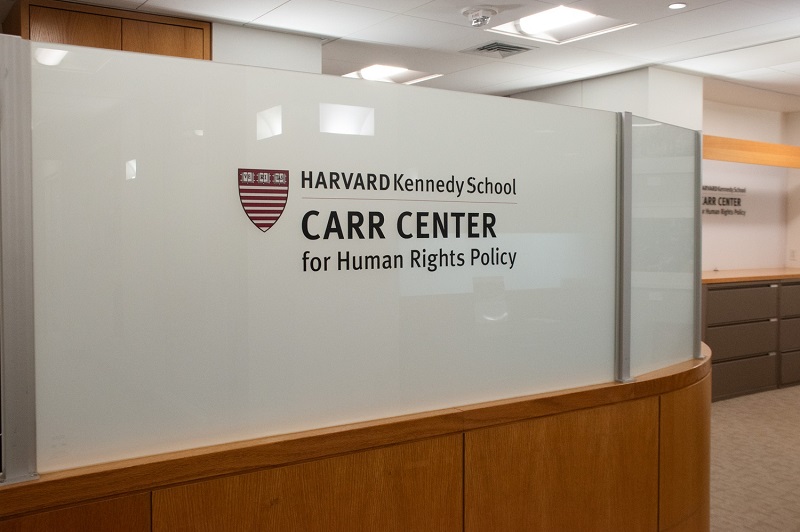
The Carr-Ryan Center Technology and Human Rights Fellowship 2026-2027 is now open for applications, offering an exceptional opportunity for researchers, practitioners, and leaders working at the intersection of technology, human rights, and public policy. This competitive, year-long programme invites individuals committed to exploring how emerging technologies shape human rights, democracy, and the future of society.
Running from 1 September 2026 to 30 June 2027, the fellowship provides a unique platform for thought leadership, interdisciplinary research, and global dialogue. The Carr-Ryan Center Technology and Human Rights Fellowship 2026-2027 supports participants in addressing pressing global challenges while engaging with renowned scholars and experts.
About the Fellowship
The fellowship focuses on understanding how technological advancement influences human life, human rights, public governance, and democratic processes. It is inspired by foundational scholarship, including research on surveillance capitalism, digital governance, and the ethical use of data.
Fellows will examine key questions related to technology and society, such as governance of digital platforms, algorithmic accountability, surveillance, privacy, and the broader implications for human dignity and democratic norms.
This is a non-residential, primarily virtual fellowship, designed to accommodate participants globally. While the programme is generally unpaid, limited travel subsidies are provided for required in-person convenings.
Fellowship Structure and Activities
Fellows participate in a range of structured learning, research, and convening opportunities:
1. Virtual Cohort Meetings
- Held twice per month throughout the fellowship period.
- Sessions include panel discussions, research presentations, thematic dialogues, and peer feedback.
2. On-Campus Convenings
- Fellows are expected to attend one on-campus gathering each semester at the Harvard Kennedy School.
- Travel support is available to facilitate participation.
- On-campus sessions allow fellows to audit classes, engage with faculty, collaborate with experts, and participate in study groups.
3. Research and Academic Engagement
- Fellows may access academic materials, attend seminars, and connect with researchers and thought leaders.
- Work during the fellowship should contribute to advancing understanding and public discourse around the technological forces shaping human rights.
Eligibility Criteria
The programme welcomes a diverse pool of applicants, including but not limited to:
- Post-doctoral scholars
- Academics and researchers (including those on sabbatical)
- Human rights advocates and defenders
- Senior professionals in international organisations
- Policy practitioners, legal experts, health professionals, journalists, technologists, and educators
Applicants should demonstrate a strong commitment to the themes of the fellowship and possess relevant experience or research interests.
Application Requirements
Applicants must submit a project proposal of up to three pages, detailing:
- Background and context of the research problem.
- Alignment with the Carr-Ryan Center’s priorities.
- Anticipated impact of the project.
- Why you are qualified to undertake the work.
- An executive summary (maximum 200 words).
- Contact details for two referees.
- A writing sample (up to five pages).
- A list of prior publications or links to relevant work.
Timeline
- Application Deadline: 22 February 2026
- Fellowship Start Date: 1 September 2026
- Fellowship End Date: 30 June 2027
How to Apply
Use the application link below to begin your submission. Applicants are encouraged to prepare high-quality proposals that clearly articulate the purpose, relevance, and expected contribution of their work.
Links
If you need assistance preparing a strong and competitive application, contact us for proposal drafting, refining and review.